How to Judge a Developer's Track Record Before Investing in Thai Luxury Real Estate
Every luxury development in Thailand comes with a beautiful brochure, a confident sales pitch, and usually a promise that construction is on track. The problem is that brochures and sales pitches look identical whether a developer is rock solid or quietly struggling. If you're planning to invest in a Thai luxury property, especially off-plan or early-phase, learning to read a developer's actual track record matters more than any rendering ever will. Here's what's genuinely worth checking, and what to take with a grain of salt.
Key Takeaways
- No developer can honestly guarantee completion on schedule. What actually matters is evidence: what has this company already finished and opened, not what it is planning or promising.
- For multi-phase developments, delivered phases with real people using them today are the most honest proof of execution. Renderings and sales percentages are not.
- Five questions every buyer should be able to answer before committing: What has the developer completed? Who is funding the project? Is the land title clean and lawyer-verified? Are permits in place for your phase?
How to Evaluate a Developer's Completion Track Record?
If a salesperson tells you a project is guaranteed to finish on time, treat that as a yellow flag rather than reassurance. Construction, financing, and permitting all carry genuine risk, and even large, well-capitalised developers occasionally face delays. What matters isn't a guarantee, since no honest developer can offer one. What matters is evidence: has this company delivered before, and is it delivering right now, not just promising to?
The most useful test is simple. Ask what the developer has already completed and opened, not what's planned. A company with a decade of finished, operating projects behind it carries a fundamentally different risk profile than one with only renderings and a sales gallery. If a project is mid-construction, ask specifically which phases are complete and verifiable today, not just percentages quoted in a press release.
Understanding the Financial Foundation Behind the Masterplan
A beautiful masterplan takes substantial capital to become a finished community, so it's worth understanding, at least roughly, who's funding the development and how. Is the developer publicly listed on the Stock Exchange of Thailand, with audited financial statements available to the public? Is it a private group with other operating businesses or completed assets that demonstrate real capital behind it, rather than a single project relying entirely on presale revenue to fund its own construction? Developers that pre-sell heavily and depend largely on buyer deposits to fund construction carry more risk than those investing substantial equity of their own upfront.
For international developers, an existing portfolio of completed assets outside Thailand is a genuinely useful signal, particularly hotels, resorts, and commercial buildings that are operating today. It shows the group has taken projects from concept to completion before, in more than one market, under more than one set of local conditions.
Verify the Legal Basics Yourself
This is the least glamorous part of due diligence and also the most important. Confirm the land title (ideally a Chanote, Thailand's strongest title deed) is genuine and free of undisclosed mortgages or liens, ideally through your own lawyer's search at the Land Office rather than taking the developer's word for it. Check that building permits and any required environmental impact assessments are actually in place for the phase you're buying into, not just "in progress." If you're a foreign buyer looking at a condominium, confirm the project's foreign ownership quota hasn't already been filled. Skipping it is how buyers end up in legal disputes and stalled projects that later become cautionary tales.
Look for Delivered Phases, Not Just Planned Ones
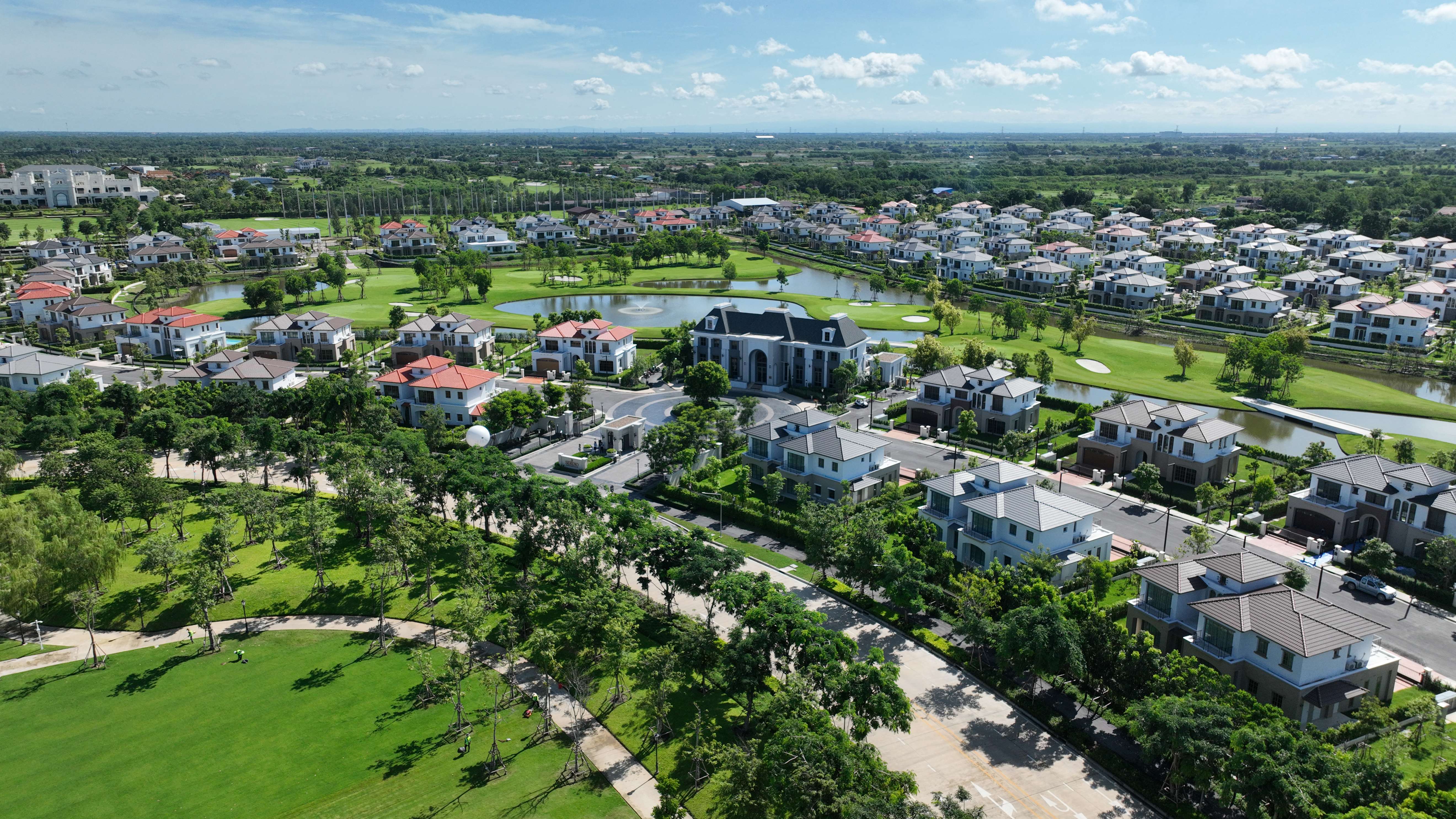
For large, multi-phase mixed-use developments in particular, phased delivery is one of the most honest signals available. A project that has already opened a school, a clubhouse, or a retail phase, with real people using it today, is demonstrating something a rendering can't: that the company can actually execute. Reignwood Park in Pathum Thani is a useful example of applying this principle in practice. KIS International School Reignwood Park opened on schedule in August 2024, and Robinswood Golf Club has been operating since 2023, both concrete, visitable proof points rather than promises.
A Practical Checklist Before Investing in Thai Luxury Real Estate
Before committing money to any Thai luxury development, it's worth being able to answer these plainly: What has this developer actually completed and opened, anywhere, ever? Who is funding this project, and how much of it is the developer's own capital versus buyer deposits? Is the land title clean and verified by your own lawyer, not just the developer's paperwork? Are permits and any required environmental approvals actually in place for your specific phase?
None of these checks guarantee a perfect outcome, as real estate always carries some risk; collectively, they separate developers who can back up their pitch from those hoping you won't ask.
Evaluating Real-World Evidence: The Reignwood Park Case Study
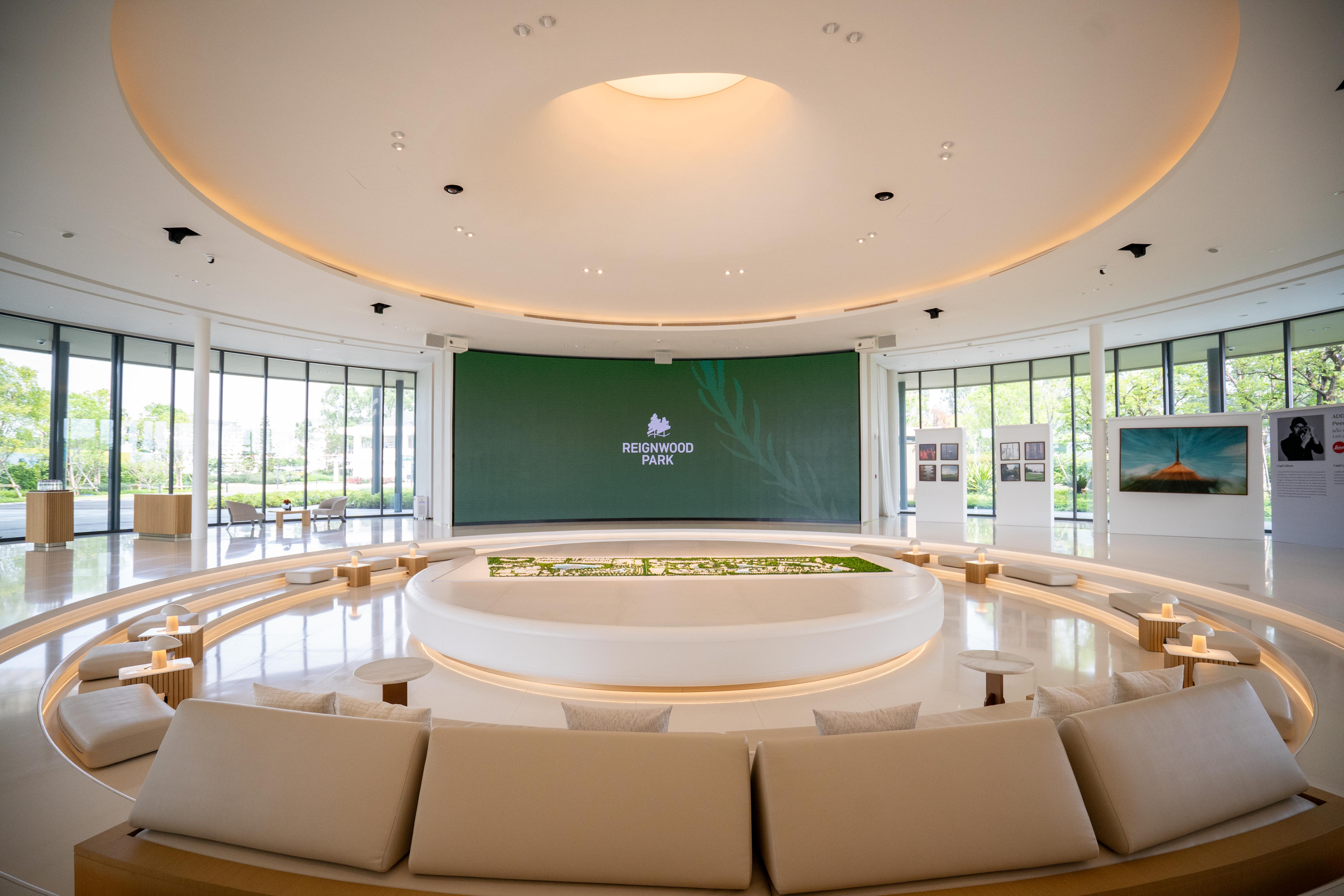
Reignwood Park is a reasonable case study to run this checklist against yourself. Reignwood Group has been operating in Thailand since 1984 and backs the project with an international portfolio of completed, operating assets, including Ten Trinity Square in London and Wentworth Club in Surrey. On delivery, KIS International School Reignwood Park opened on schedule in 2024 and Robinswood Golf Club has been open since 2023, both verifiable in person rather than taken on faith, alongside industry recognition including "Thailand Mega Project of the Year" at the DOT Property Thailand Awards 2025 and Best Luxury Mega Township Development (Asia) at the PropertyGuru Asia Property Awards 2025.
Sources
Lumithai, "How to Check a Developer in Thailand Before Buying Property", May 2026
Anglo Siam Legal, "Due Diligence in Thailand", November 2025
Siam Legal International, "Due Diligence Services in Thailand", October 2025
Dot Property Awards / Southeast Asia Real Estate Awards, programme and judging information, 2026
Asia Property Awards, Thailand programme judging panel information
REM Magazine / ThaiPR.net, "Reignwood Group Wins 'Thailand Mega Project of the Year'" (DOT Property Thailand Awards 2025), August 2025