Complete Guide to Buying a Property in Thailand as a Foreigner
Foreign ownership of property in Thailand is well established, with thousands of buyers completing purchases each year through recognised legal structures. The structure chosen matters enormously. 2026 has proven a pivotal year in this regard, as Thai authorities have significantly intensified enforcement against one structure long treated as a routine workaround. This guide sets out what remains legally sound, what now carries meaningful risk, and how to assess whether a given project is structured for a smooth, compliant transaction.
Key Takeaways
- Foreigners are entitled to own the buildings and structures on Thai land, while land ownership itself is reserved for Thai nationals. The two main legal routes are freehold condominium ownership (up to 49% foreign quota per building) and registered leasehold on the land (typically 30 years with renewal terms) paired with freehold ownership of the building itself.
- Foreign investors conducting genuine business in Thailand may establish a Thai company, provided it has a legitimate purpose, active operations, and compliant shareholding. Buyers are encouraged to seek legal advice and choose a structure that supports a secure, sustainable investment.
- Freehold land ownership is unavailable to foreign buyers under any developer. What varies between projects is how well the leasehold process is documented and executed, not the legal structure itself.
Understanding Foreign Ownership Rights in Thailand
Foreign nationals are not permitted to own land in Thailand, regardless of whether the land is vacant or improved with a house, villa, or other structure. The one clear exception is condominiums: foreigners can own a condo unit freehold, in their own name, as long as foreign ownership in that specific building doesn't exceed 49% of the total saleable floor area. Everything else in this guide is about how buyers legally work within, or around the edges of, that one core restriction.
Option 1: Freehold Condominium
This is generally regarded as the most straightforward and legally secure route for a foreign national to own property in Thailand. Ownership is registered under a Chanote title deed, the highest form of Thai land title, issued in the purchaser’s own name and carrying the legal right to sell, lease, or transfer the unit to heirs.
The key requirement lies in the source and documentation of funds. The full purchase price must be remitted into Thailand from overseas in foreign currency, after which the receiving Thai bank issues a Foreign Exchange Transaction Form, commonly known as an FET Form and formerly referred to as Tor Tor 3, as confirmation of the transfer.
Without the FET Form, ownership registration cannot proceed. This is a mandatory requirement under Section 19 of the Condominium Act and should not be treated as a procedural formality. Buyers should also confirm the building’s foreign ownership quota before committing to a specific unit, as condominium projects are subject to a 49% foreign ownership limit, which may already be fully allocated in sought-after developments.
Option 2: Registered Leasehold for Houses and Villas

As land ownership is not available to foreign buyers, those seeking a landed house or villa typically secure a registered long-term lease on the land, paired with ownership of the building itself. The standard structure is a 30-year lease, often marketed as "30+30+30" with two renewal periods built into the contract, for up to 90 years of use in total.
An important nuance often omitted from shorter guides concerns the legal status of those renewal periods. They constitute contractual promises rather than an automatic legal right. Thai courts have generally treated them as obligations between the original contracting parties, rather than a right that automatically binds a landlord's heirs or a future owner of the land. The strength of a lease therefore depends heavily on how it is drafted and from whom the buyer is leasing, which underscores the importance of an independent lawyer reviewing the lease document itself, a step that carries particular weight in this part of the transaction.
Ownership of the building, separate from the land lease, is typically secured through a superficies right under Section 1410 of the Civil and Commercial Code, which allows a structure situated on another party's land to be legally owned in its own right.
Option 3: The BOI Investment Route
Thailand's Land Code includes a narrow provision permitting a foreign individual to apply for direct land ownership rights of up to 1 rai for residential use, contingent upon an investment of at least 40 million baht in qualifying Thai assets, maintained for a specified period. This route is used infrequently in practice, given its strict conditions and high threshold. It nonetheless constitutes a legal pathway worth noting, distinct from the more commonly discussed BOI land rights available to BOI-promoted companies for business premises.
Option 4: The Thai Company Structure, and Why 2026 Changed the Calculation
For years, a common workaround involved establishing a Thai limited company, majority-owned on paper by Thai nationals, to hold land on a foreigner's behalf. This arrangement was never legally valid where the Thai shareholders served as nominees in name only. Nevertheless, enforcement was historically inconsistent, and many buyers treated it as a low-risk grey area.
That position has changed substantially. Through 2025 and into 2026, Thailand's Department of Business Development introduced an AI-driven system known as IBAS, which cross-references company registration and land transaction data to flag nominee patterns. In May 2026, the Department of Lands issued a series of "Most Urgent" circulars directing every provincial Land Office to actively build a database of landholding companies and investigate suspicious structures. As of mid-2026, several hundred companies have already been prosecuted, and a proposed amendment under review would remove the current option to recover sale proceeds when a nominee structure is unwound, replacing it with outright forfeiture of the land to the state, without compensation.
These developments do not affect legitimate structures. A genuinely Thai-owned and Thai-controlled company, condominium ownership within quota, and BOI-promoted land rights remain unaffected. What now carries genuine risk is any arrangement in which Thai shareholders exist primarily on paper while a foreign buyer funds and controls the property. Buyers considering a company structure, or holding one established in prior years, would be well advised to have it independently reviewed rather than left unexamined on the basis of past practice.
Option 5: Buying Through a Thai Spouse
Foreign nationals married to a Thai national may have land purchased and registered in the Thai spouse's name. The foreign spouse is typically required to sign a declaration at the Land Office confirming that the funds used constitute the Thai spouse's separate property, rather than joint marital property, as jointly-funded land would otherwise give rise to an indirect foreign ownership issue. This route now faces closer scrutiny than in the past, with authorities increasingly likely to examine the source of funds behind spousal purchases.
What Makes a Project Foreign-Ownership Friendly?

This distinction is worth stating clearly. For landed houses, the underlying legal structure, a registered leasehold paired with a superficies right on the building, is established by Thai law and applies uniformly regardless of the developer. No project can offer a foreign buyer freehold land ownership; this is simply unavailable under current law. The meaningful differences between projects therefore lie in execution rather than legal structure.
Does the developer provide clear, bilingual lease and superficies documentation as standard practice, rather than something a buyer must request? Does the sales team carry genuine experience closing transactions with foreign buyers, or primarily domestic ones? Is the payment and FET-documentation process well understood by staff, such that the buyer is not the one explaining it to them? For condominium purchases, the equivalent consideration is simply whether the building in question still has foreign quota available.
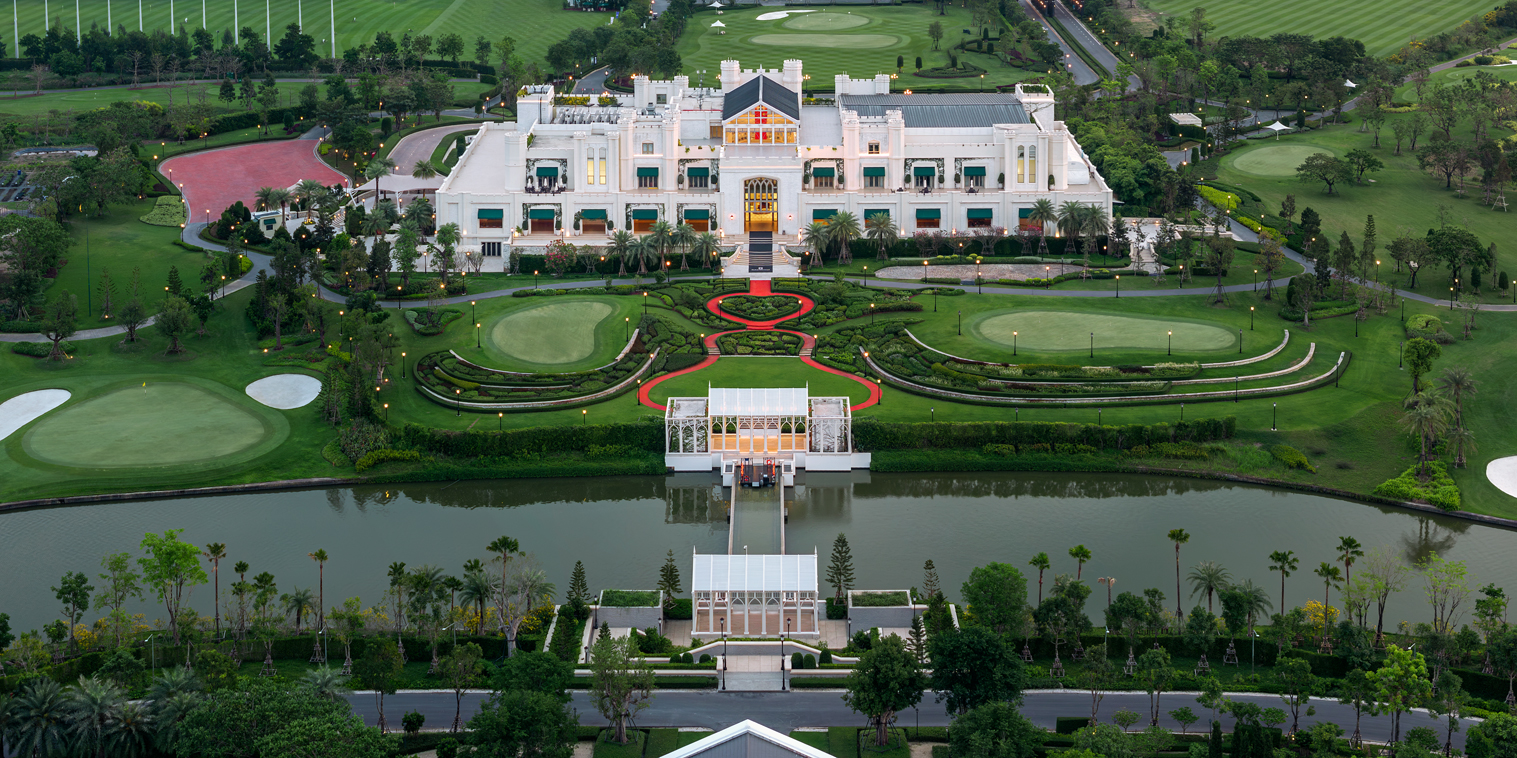
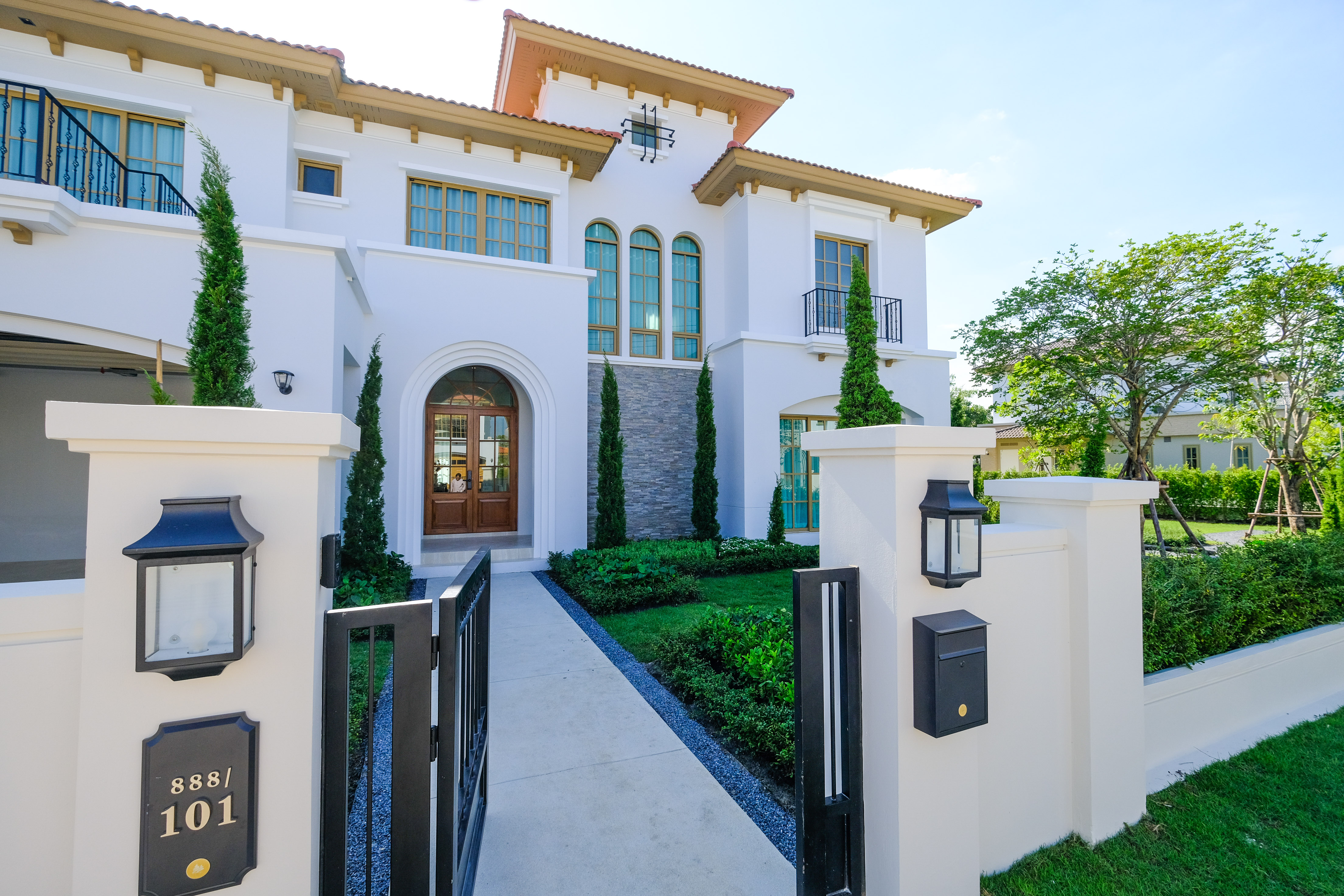
If you're looking at a landed-house project like Reignwood Park's Estate, Sonia, or Sereno homes in Pathum Thani, the same underlying rule applies: as a foreign buyer, you'd be working within the standard registered leasehold structure for the land, just as you would at any other landed development in Thailand, since no developer can legally sell freehold land to a foreign individual. What's worth asking any developer, Reignwood included, is how well-documented and standardized that leasehold process is for their specific project, and whether they have a track record of closing with foreign buyers smoothly.
The Practical Steps, in Order
1. Shortlist properties and confirm which ownership structure actually applies (condo quota status, or leasehold for landed property).
2. Engage a Thai-licensed lawyer independent of the developer or seller, before signing anything binding.
3. Have your lawyer review the sale and purchase agreement, and for leasehold, the actual lease and superficies documents, not just a summary.
4. Transfer funds from overseas in foreign currency via SWIFT, with the purpose of the transfer clearly stated, and obtain your FET form or bank confirmation letter from the receiving Thai bank.
5. Attend the Land Office for registration, in person or via a lawyer holding a properly notarised and apostilled power of attorney.
6. Keep every document, the FET form especially, since you'll need it later if you ever want to repatriate sale proceeds abroad.
*This guide is general information, not legal or financial advice, and Thailand's enforcement landscape around foreign ownership has been shifting quickly through 2025 and 2026. Before signing anything or wiring money, work with a Thai-licensed lawyer to confirm the current rules apply as described here to your specific situation.
Sources
Zagdim Overseas, "Thailand's 2026 Nominee Crackdown: What Foreign Property Owners Need to Understand", 2026
Silk Legal, "What Thailand's New Lands Directives Mean for Nominee Shareholding and Property Ownership in 2026", May 2026
MBMG Group, "Thailand's Land Office Tightens the Net on Nominee Structures", May 2026
Al Jazeera, "Thailand cracks down on foreign companies using fig leaf of local ownership", June 2026
Lexbangkok, "Nominee Land Ownership Thailand: Confiscation Risk (2026)", April 2026
Varsovia Estate, "Freehold Condo in Thailand: 7 Steps to Full Ownership", June 2026
Forbes and Partners, "The FETF Explained", December 2025
Thailand Law Online, "Condo Purchase Currency FET Form Remittance"
Alestria Property, "Can Foreigners Buy Property in Thailand? 2026 Rules, Costs & Ownership Guide", May 2026