What Is a Megaproject? Inside Thailand's Most Ambitious Development
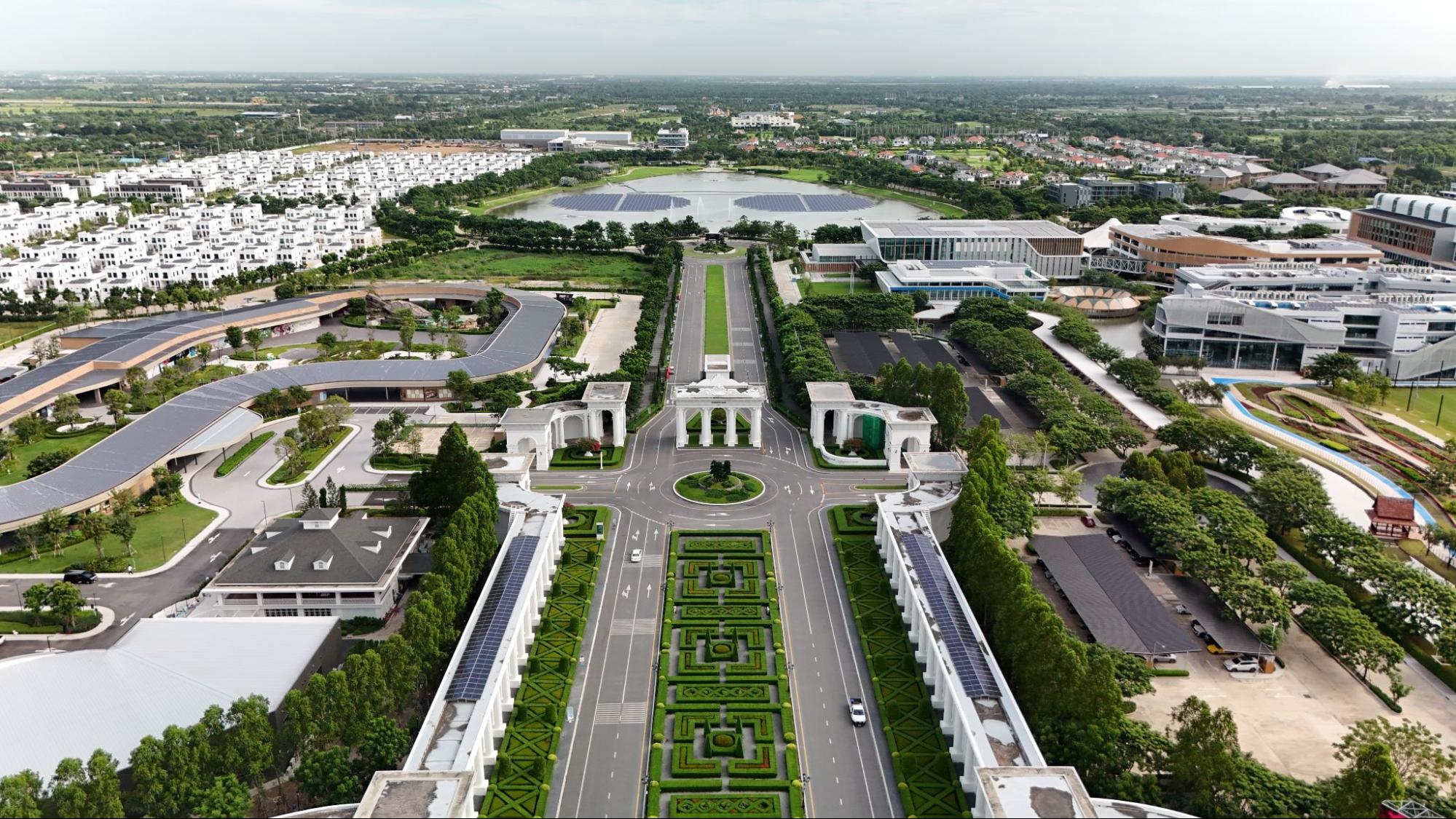
Cranes over the Chao Phraya, new rail lines cutting through the Eastern Seaboard, entire townships rising on the outskirts of Bangkok: Thailand is in the middle of one of its most ambitious building periods in decades. Many of these projects are labelled megaprojects in the press and in government planning documents alike, however the term carries a specific meaning beyond simply describing something large.
Key Takeaway
- Megaprojects are large-scale, complex developments typically costing over $1 billion that involve multiple public and private stakeholders.
- They are defined by their long, multi-phase construction timelines and their transformational impact on the social or economic landscape.
- A core challenge is elevated complexity and risk, with research showing that approximately nine out of ten megaprojects exceed their original budgets.
- Thailand's megaprojects generally fall into infrastructure, mixed-use commercial, or integrated residential categories, each shaping the region in unique ways.
- Developments like Reignwood Park demonstrate the megaproject model through phased rollouts that combine residential, educational, and leisure components under a single vision.
What Is a Megaproject?
A megaproject is most widely defined by the work of Bent Flyvbjerg, a professor at Oxford University's Saïd Business School and the researcher most closely associated with the study of large-scale development. His definition, now standard across academic and industry literature, describes megaprojects as large-scale, complex ventures that typically cost a billion US dollars or more, take many years to plan and build, involve multiple public and private stakeholders, and are transformational in their impact on the people and places around them.
That billion-dollar threshold is a useful anchor, however the more meaningful test is what a project actually does once built. A megaproject reshapes its surroundings in a way that smaller developments generally do not, whether through new infrastructure, a new economic centre, or an entirely new residential community built where none existed before.
Key Features of a Megaproject
Substantial capital investment. The billion-dollar threshold exists because projects below that scale rarely require the coordination, financing structures, and long-term planning that define the category. Above that line, a project typically demands multiple funding sources, extended construction timelines, and dedicated management structures built specifically for its scale.
Long, multi-phase timelines. Megaprojects are rarely delivered in a single stage. Most unfold across years or decades, with different components, residential, commercial, infrastructural, opening progressively rather than all at once.
Multiple public and private stakeholders. Very few megaprojects are built by a single actor. Government agencies, private developers, financial institutions, and, in many cases, international partners typically share responsibility for different elements of the same overall project.
Elevated complexity and risk. Flyvbjerg's research, drawn from a database of more than 16,000 large projects, found that roughly nine in ten megaprojects exceed their original budget. Thailand's own High-Speed Rail Linking Three Airports project illustrates the pattern well. Conceived to connect Don Mueang, Suvarnabhumi, and U-Tapao airports as the transport backbone of the Eastern Economic Corridor, the project has faced repeated delays since its original 2018 tender, with more than THB 21.8 billion invested against a contracted scope of roughly THB 271.8 billion, and its future structure still under government review as of mid-2026. Complexity at this scale is a defining feature of the category rather than an exception to it.
Transformational impact. A megaproject changes the economic or social landscape around it in a way that outlasts its construction period, whether by opening a new transport corridor, establishing a new commercial district, or creating a fully self-contained residential community.
Types of Megaprojects in Thailand
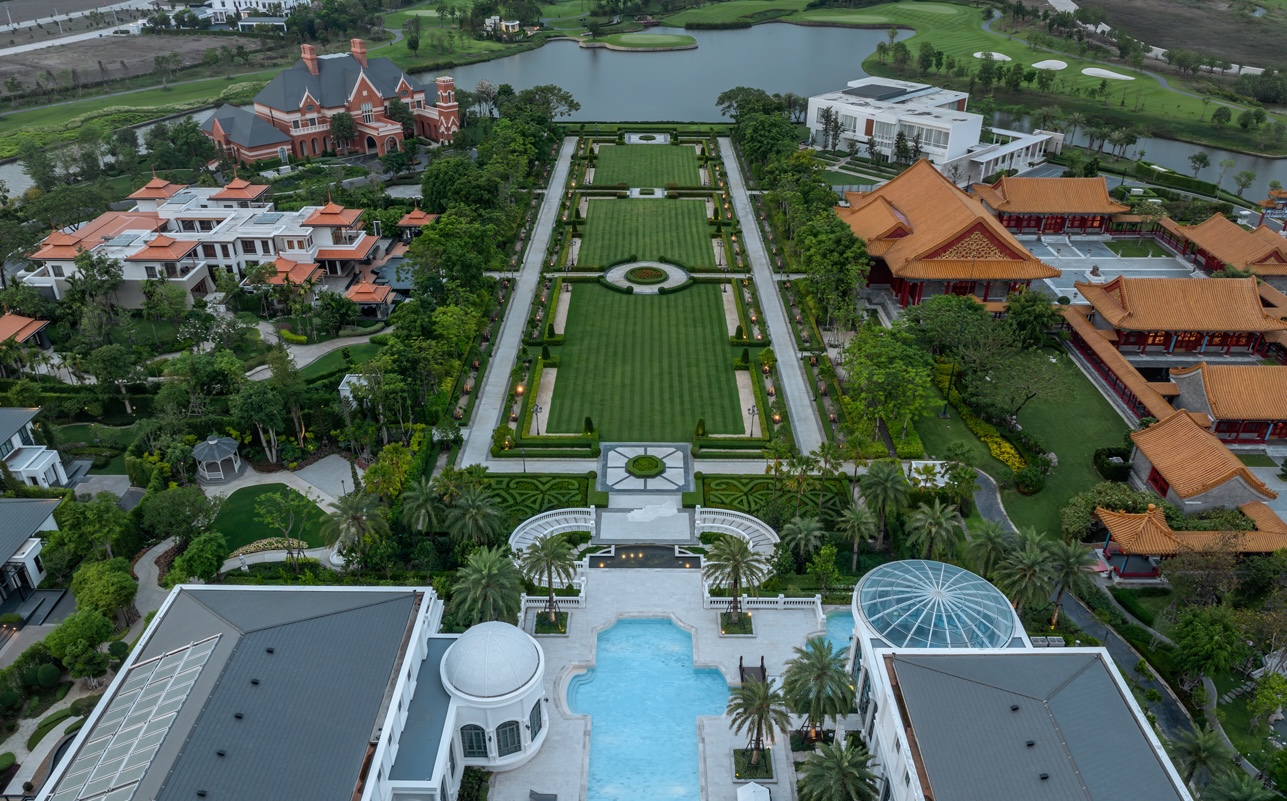
Thailand's megaproject landscape spans several distinct categories, each transformational in its own way.
Infrastructure megaprojects. The High-Speed Rail Linking Three Airports project remains the flagship example, designed to connect Bangkok's two main airports with U-Tapao in the east and reduce travel time across the corridor to under an hour once complete. Infrastructure megaprojects of this kind typically anchor much larger regional development plans, in this case the Eastern Economic Corridor itself.
Mixed-use commercial megaprojects. Central Bangkok has seen two of the country's largest private-sector developments in this category. One Bangkok, a THB 120 billion mixed-use complex on Rama IV Road, ranks among the largest single-site property investments in Thai history, combining office towers, residences, hotels, and retail on a single 104-rai site. ICONSIAM, a THB 60 billion riverside development jointly built by Siam Piwat, Charoen Pokphand Group, and Magnolia Quality Development Corporation, transformed the Chao Phraya riverfront into a globally recognised retail and lifestyle destination after opening in 2018.
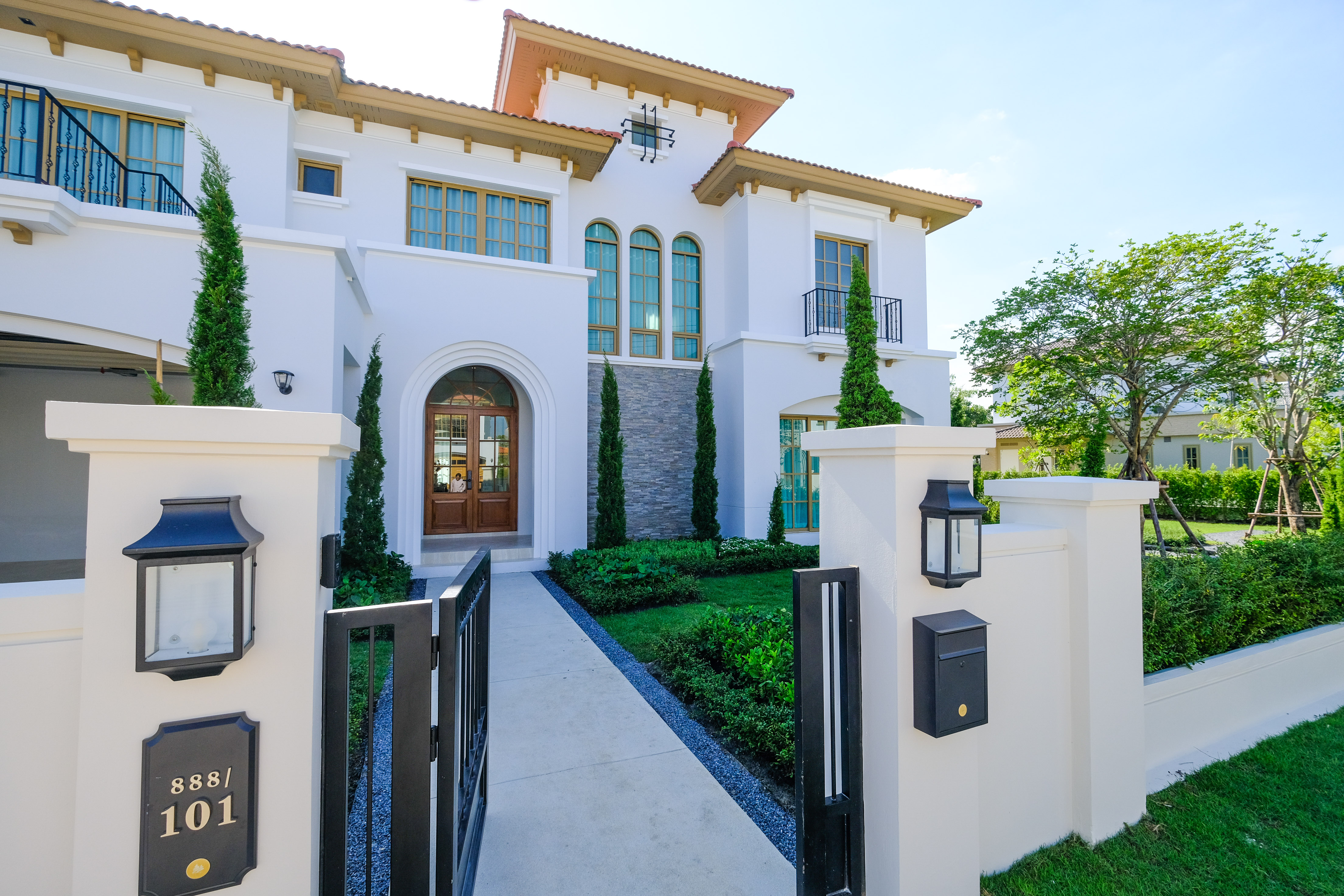
Integrated residential megaprojects. A newer category has emerged over the past decade: large-scale residential townships that combine housing with education, sport, retail, and cultural infrastructure inside a single, self-contained development. Rather than building housing alone, these projects function as complete communities, and Reignwood Park stands among the most significant examples of this category in Thailand today.
Reignwood Park: One of Thailand's Largest Residential Megaprojects
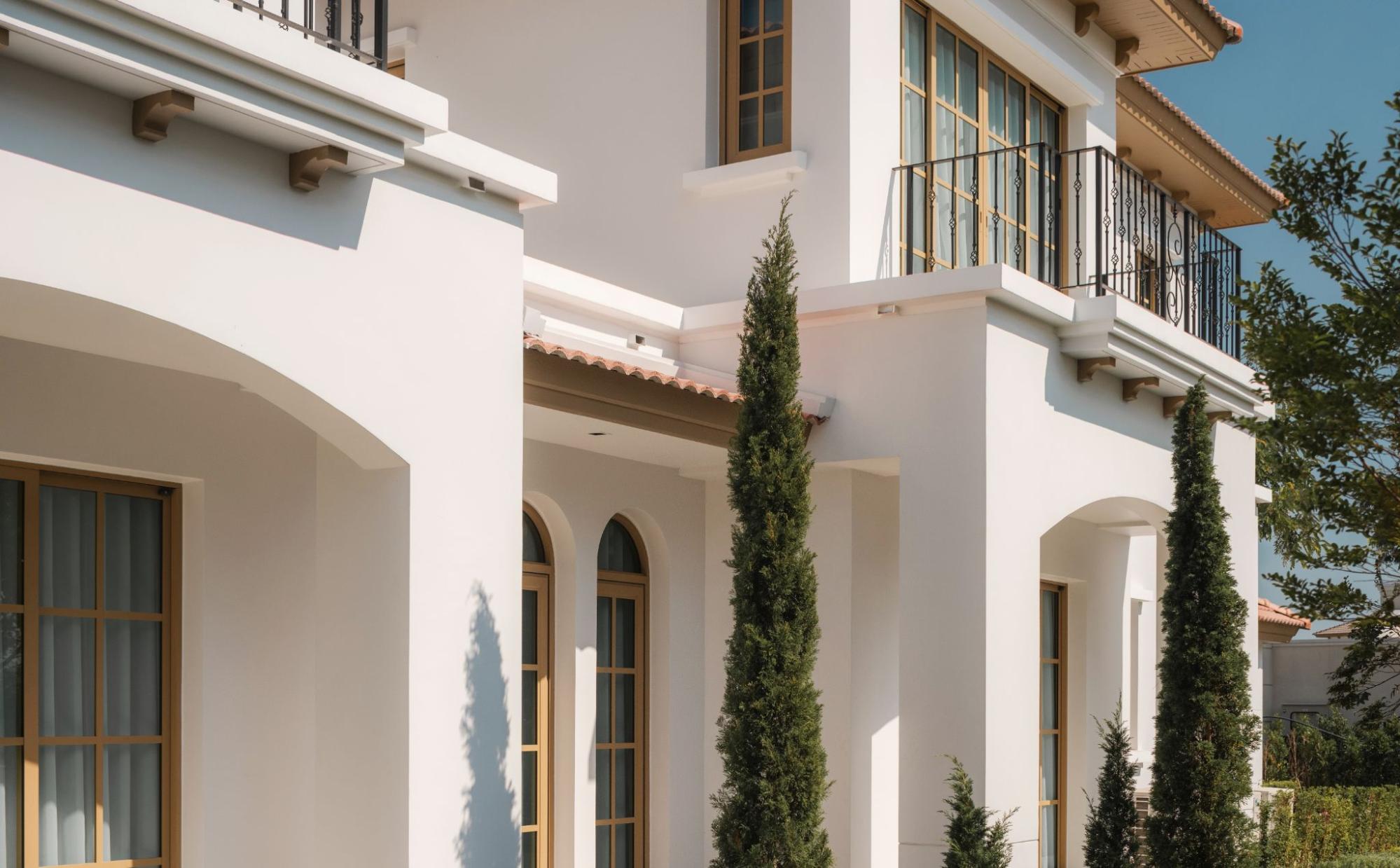
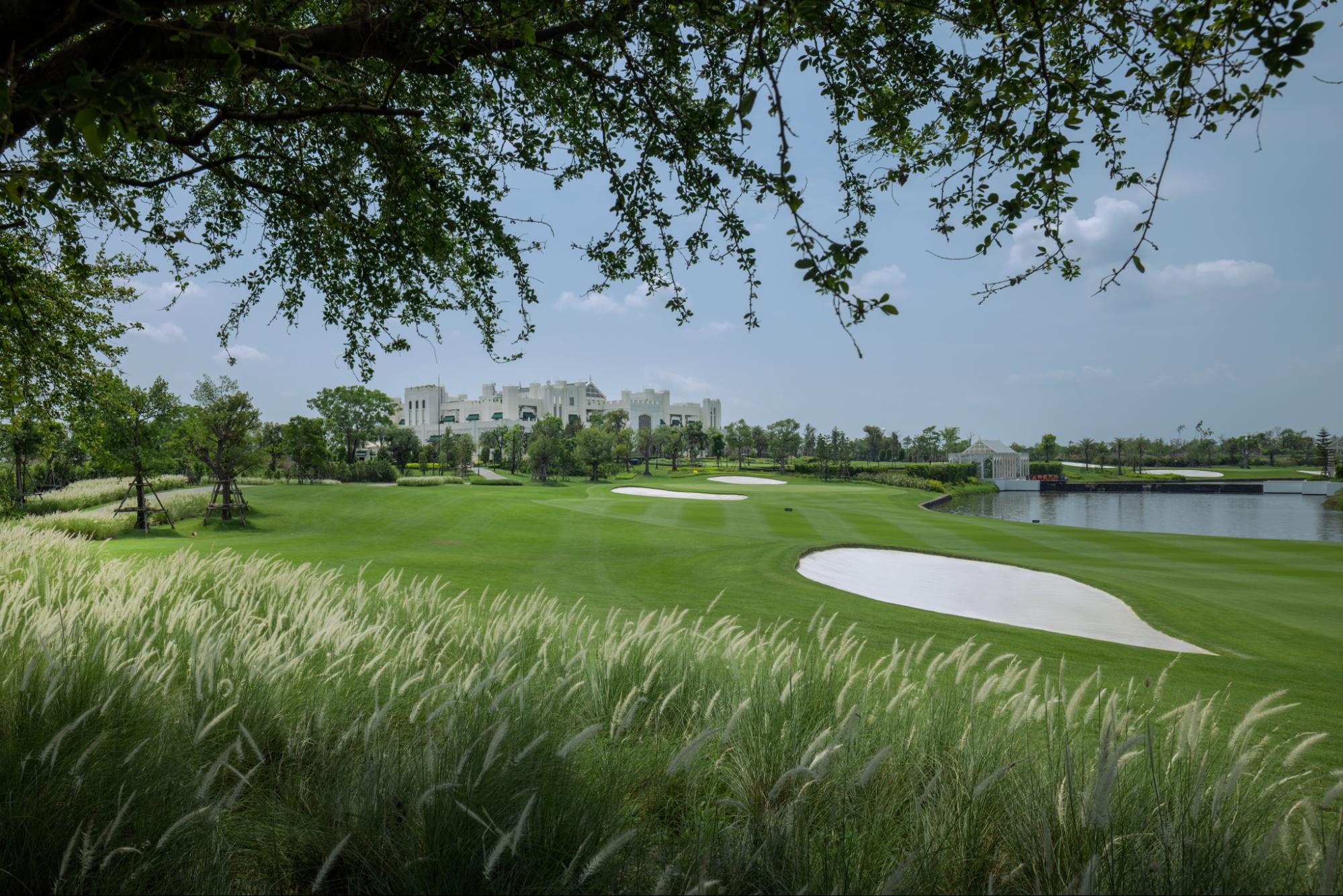
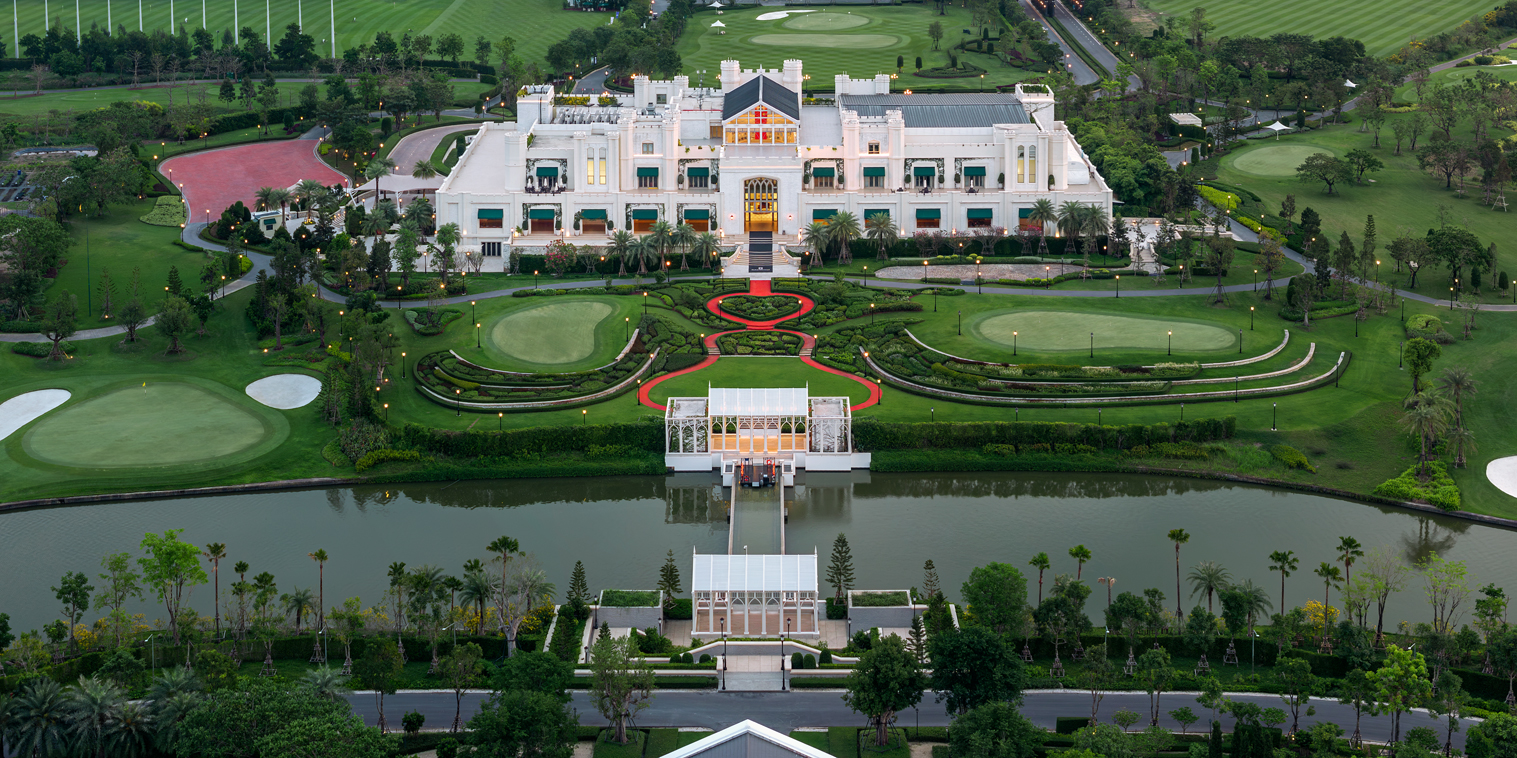
Reignwood Park represents a confirmed total investment of 50 billion baht, equivalent to roughly USD 1.5 billion at current exchange rates, placing it comfortably above the billion-dollar threshold that defines the megaproject category. The scale of the development is matched by its complexity: the project spans residential collections across the Estate, Sonia, and Sereno sub-brands, education through KIS International School, Bangkok's only full IB Day and Boarding School, which opened on its 60-acre campus in August 2024, sport through Robinswood Golf Club and the CH3 Golf Academy, culture through the East-West Cultural Exchange Centre, and retail and leisure through Park11 and other on-site facilities.
Park11 extends this ecosystem beyond the gated community itself, with the community mall, Get Growing's nature-based children's zone, Topaz, and Silverskin Cafe & Bistro open to the public as well as to residents, a detail that reflects the outward-facing lifestyle infrastructure increasingly common to Thailand's integrated residential megaprojects.
Like most megaprojects, Reignwood Park has developed in phases rather than all at once. The Reignwood Park Sports Complex currently stands at 80% complete, Park11 is nearing full completion ahead of its planned opening, and the ESTATE collection, limited to 41 residences with no future phase planned, is already more than 40% sold. This progressive rollout, spanning years and multiple distinct components under a single overarching vision, is characteristic of megaproject development anywhere in the world.
For more information on Reignwood Park's residential collection, contact the sales and marketing team at saleoffice@reignwoodth.com or +66 (0)2 978 8888.
Sources
[1] Cato Institute, "Megaprojects: Over Budget, Over Time, Over and Over" (Bent Flyvbjerg): https://www.cato.org/policy-report/january/february-2017/megaprojects-over-budget-over-time-over-over
[2] Nation Thailand, "3 EEC investment projects: High-speed rail, airport, and MRO centre": https://www.nationthailand.com/news/policy/40046942
[3] Nation Thailand, "Airport rail deal faces July 15 review after eight-year delay and 21.8bn-baht investment": https://www.nationthailand.com/business/investment/40068498
[4] Bangkok Post, "One Bangkok's intricate launch strategy": https://www.bangkokpost.com/property/1812564/one-bangkoks-intricate-launch-strategy
[5] Bangkok Post, "ICONSIAM brings global award home": https://www.bangkokpost.com/business/general/3135471/iconsiam-brings-global-award-home