Why Thailand Is Asia's Top Destination for Health and Wellness Living

Choosing where to live has quietly become a health decision as much as a lifestyle one. Yet, it remains challenging to find a development or community that truly enhances wellbeing and quality of life. Across Asia, a growing number of retirees, remote professionals, and health-conscious families are weighing a city's cost of living and convenience alongside something deeper: whether the place itself actively supports a longer, healthier life. Thailand has emerged as one of the clearest answers to that question in the region.
Key Takeaway
- Wellness living integrates health as a daily, environmental factor by combining quality healthcare, active communities, and natural surroundings to make healthy choices easier to sustain.
- This lifestyle approach is gaining global popularity as aging populations and remote workers increasingly prioritize longevity and quality of life when choosing where to live.
- A wellness-supportive location requires more than medical care; it relies on a balance of accessible preventive health, a health-conscious culture, and strong social connections.
- Thailand is a top regional destination, offering world-class healthcare with 65 JCI-accredited facilities and a deep-rooted cultural heritage in traditional healing practices.
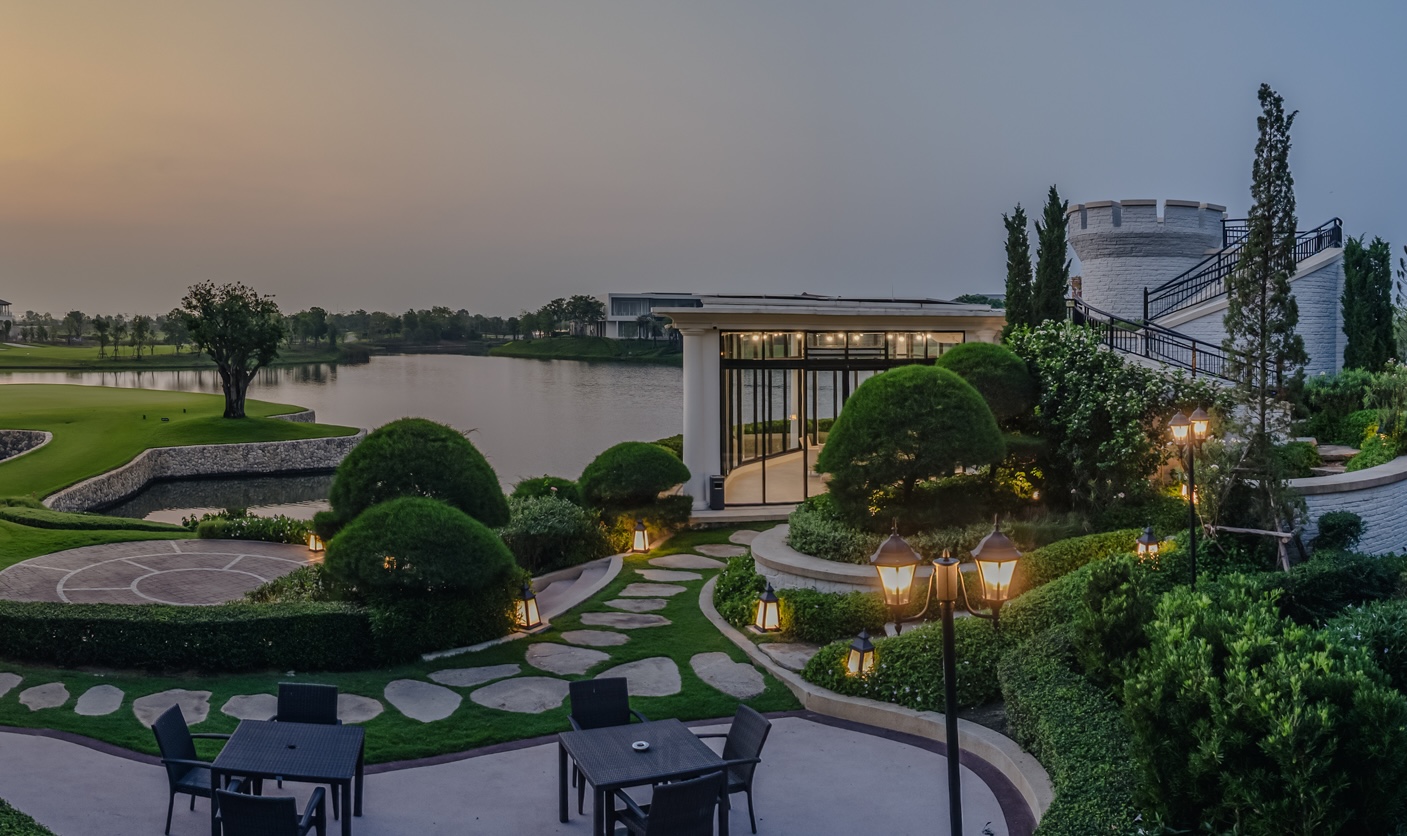
- Integrated developments like Reignwood Park demonstrate this concept by embedding extensive green space and dedicated sports and recreational facilities directly into residential life.
What Is Wellness Living?
Wellness living describes a way of choosing where and how to live that treats health as a daily, environmental factor rather than something managed separately through occasional doctor visits or gym memberships. It extends beyond any single home or building. A place that supports wellness living combines quality healthcare access, a health-conscious culture, clean air and natural surroundings, and a community structured around movement, nutrition, and social connection, all working together rather than in isolation.
This distinguishes wellness living from the narrower category of wellness real estate, which refers specifically to individual buildings and developments designed around health outcomes. Wellness living is the broader lifestyle context: the country, city, or community someone chooses precisely because daily life there makes healthy choices easier to sustain.
Why Wellness Living Is Trending
Several forces are converging to push wellness living from a niche preference into a mainstream priority. The pandemic sharpened public awareness of how much the daily environment affects health, an awareness that has persisted well after normal life resumed. Ageing populations across much of Asia, Europe, and North America are driving demand for places that support longevity through daily lifestyle factors as much as medical care. Remote work has, for a meaningful share of professionals, decoupled where someone lives from where they work, opening the door to relocation decisions driven by quality of life rather than proximity to an office.
At the same time, a rising base of high-net-worth individuals globally is placing greater weight on preventive health and longevity as a marker of long-term wealth planning, extending well beyond medical treatment after illness occurs. Prevention is a big aspect of wellness living, as we know the key causes of NCDs (non-communicable diseases) are a result of poor lifestyle, stress, and environment. Reignwood Park, with its environment, supports a healthy lifestyle through outdoor spaces that stimulate an active lifestyle and connection with nature; facilities like the Reignwood Park Sports Complex, alongside various amenities available within the community, further support this.
Core Components of Wellness Living
Healthcare access and quality. A wellness-supportive location offers more than emergency care. It provides consistent access to preventive screening, specialist expertise, and recovery-focused facilities, ideally to an internationally recognised standard.
Climate and natural environment. Access to greenery, outdoor space, and a climate that supports year-round outdoor activity plays a measurable role in physical and mental health.
Culture and tradition. Places with a deep-rooted cultural relationship to wellbeing, whether through traditional medicine, food culture, or social ritual, tend to embed healthy practices into daily life rather than treating them as an imported trend.
Community and social connection. Strong, accessible social networks are increasingly recognised as core to long-term health in their own right.
Affordability and sustainability. Wellness living needs to be maintainable over years or decades, which places genuine weight on cost of living relative to the quality of healthcare, food, and environment on offer.
Thailand as Asia's Top Destination for Wellness Living
Thailand meets each of these components with a depth few countries in the region can match. On healthcare, the country holds 65 JCI-accredited healthcare organisations as of 2026, more than any other country in Southeast Asia, giving residents access to internationally benchmarked medical care without leaving the region.
Thailand's wellness credentials extend well beyond hospitals. The country ranks 15th globally for wellness tourism, with spending in the sector rising 36.4% between 2023 and 2024 to reach USD 14 billion, one of the fastest growth rates recorded anywhere in the world. That growth sits alongside a genuinely deep cultural foundation: Nuad Thai, traditional Thai massage, was inscribed on UNESCO's Representative List of the Intangible Cultural Heritage of Humanity in 2019, recognition of a healing tradition that has shaped Thai daily life for centuries rather than a recently manufactured wellness trend. The country is now positioning itself formally around this strength, with a national ambition to rank among the world's top five wellness economies, blending its traditional healing heritage with investment in high-tech preventive medicine and longevity science.
Wellness Living at Reignwood Park

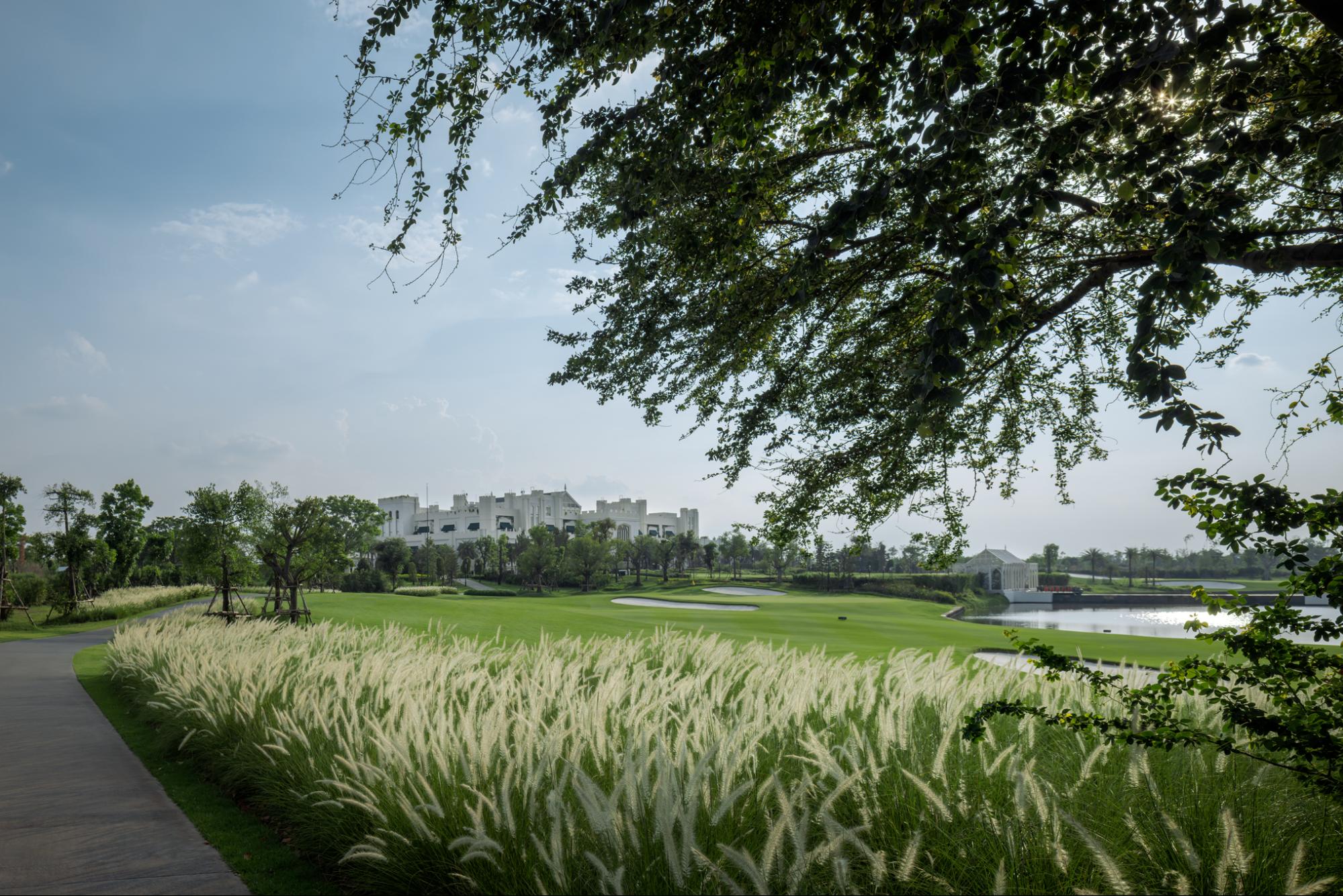
Reignwood Park is built as an integrated residential estate rather than a standalone wellness brand; however, daily life within the community reflects several of the wellness living components described above. The estate's low-density land plan gives residents genuine access to greenery and outdoor space, with ESTATE plots ranging from approximately 2,400 to 12,000 square metres. Movement is built into daily life through the Robinswood Golf Club, the CH3 Golf Academy, an 800-square-metre fitness area, and the Reignwood Park Sports Complex, which adds further shared recreational infrastructure. Additionally, the KIS International School and the East-West Cultural Exchange Centre contribute significantly to the community and cultural dimensions of daily life on the estate.
Beyond these facilities, Reignwood Park prioritizes active living through expansive green spaces and a dedicated 10-kilometre running and cycling track. A centerpiece of this environment is a heart-shaped lake with a radius of over 2 kilometres, providing a scenic setting that encourages outdoor activity. These features, combined with an ongoing roster of events, ranging from cultural and sports gatherings to leisure and social activities, are designed to stimulate deeper social interaction and engagement among community members, all of which contribute to a greater overall quality of life and wellbeing. Longevity and wellness-focused programming remains an area with more to come, and further details will be confirmed as those plans develop.
For more information on Reignwood Park's residential collection, contact the sales and marketing team at saleoffice@reignwoodth.com or +66 (0)2 978 8888.
Sources
[1] BAANLYY, "Thailand JCI-Accredited Hospitals Directory 2026": https://baanlyy.com/market/reports/jci-hospitals-thailand
[2] PR Newswire / Global Wellness Institute, "New Data on Thailand's Fast-Growing $42.7 Billion Wellness Market": https://www.prnewswire.com/news-releases/global-wellness-institute-releases-new-data-on-thailands-fast-growing-42-7-billion-wellness-market-302698003.html
[3] UNESCO Intangible Cultural Heritage, "Nuad Thai, traditional Thai massage": https://ich.unesco.org/en/RL/nuad-thai-traditional-thai-massage-01384
[4] Nation Thailand, "Wellness 2026: Thailand Battles for Leadership as Asia's 'Longevity Economy' Ignites": https://www.nationthailand.com/health-wellness/40060949