What Is Wellness Real Estate and Why Is It Growing in Thailand?
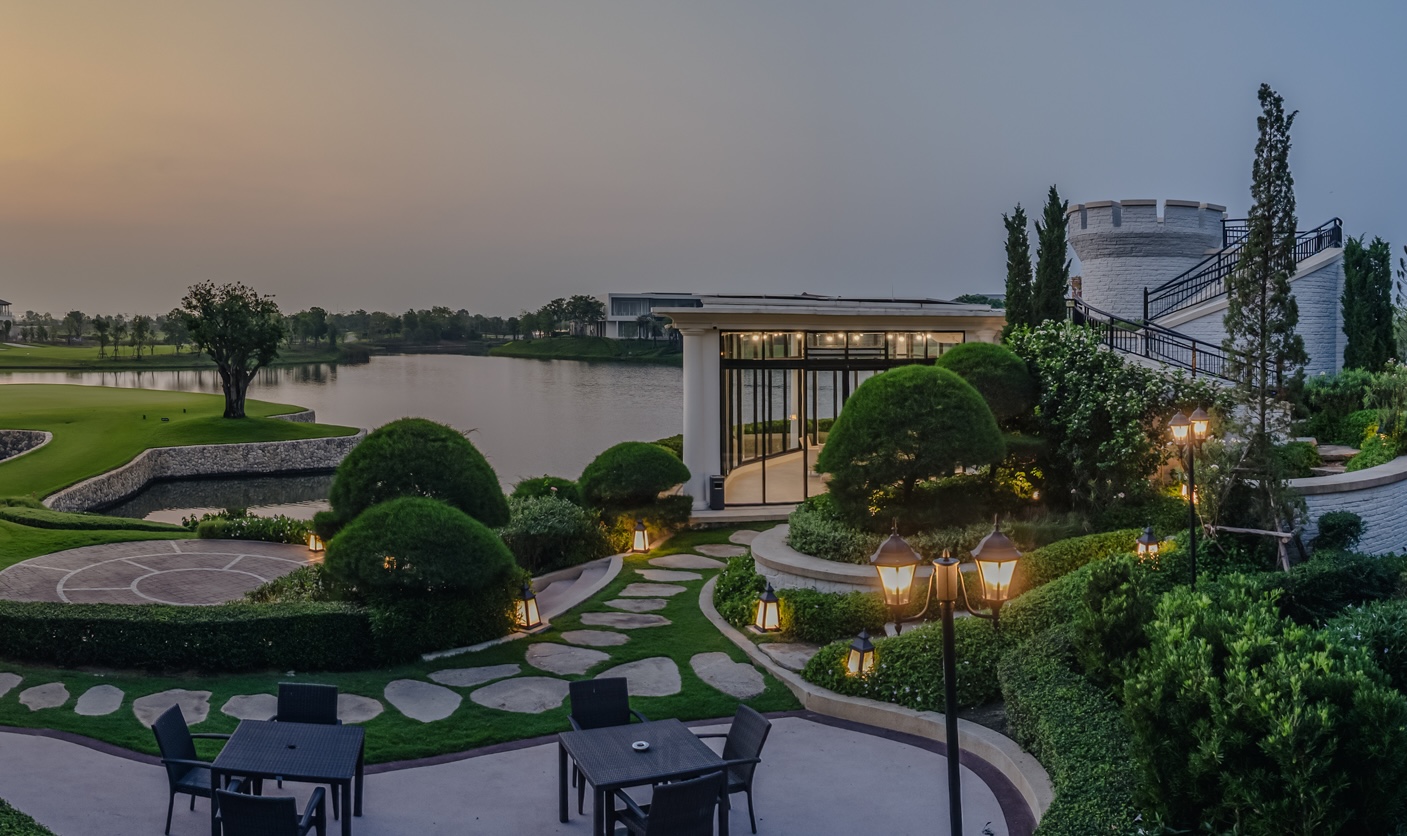
A home used to be judged mainly on location, size, and finish. Increasingly, buyers are asking a different question: does this place actively support how well I live? That shift has given rise to one of the fastest-growing categories in global property development, wellness real estate, and Thailand is emerging as one of the more interesting markets watching it unfold.
Key Takeaway
- Wellness real estate is defined as built environments specifically designed to support holistic health, going beyond developments that simply include basic amenities like gyms or gardens.
- The sector is a major global growth story, with the market expanding rapidly and projected to reach USD 1.8 trillion by 2030.
- Core design principles include biophilic and green design, advanced air and water quality infrastructure, and layouts that encourage physical movement and social connection.
- In Thailand, demand is fueled by an aging population, rising interest from high-net-worth buyers, and the country's established strength in medical and preventive healthcare.
- Wellness-oriented design is increasingly viewed as essential infrastructure rather than a luxury, with developments structured around these principles often retaining better long-term value.
What Is Wellness Real Estate?
The Global Wellness Institute (GWI), the leading research organisation for the global wellness industry, defines wellness real estate as built environments proactively designed, built, and operated to support the holistic health of occupants, visitors, and the surrounding community. The definition matters, since it draws a clear line between a development that happens to include a gym or a garden and one that is genuinely structured around health outcomes from the ground up.
By GWI's own account, wellness real estate has been the standout growth story within the broader wellness economy every year since the organisation first measured the category in 2013. The global market expanded from USD 151 billion in 2017 to USD 876 billion in 2025, an average annual growth rate of 23.6%, roughly double the pace of the next-fastest-growing wellness sector. GWI projects the market will surpass USD 1 trillion for the first time in 2027 and reach USD 1.8 trillion by 2030.
Main Features of Wellness Real Estate
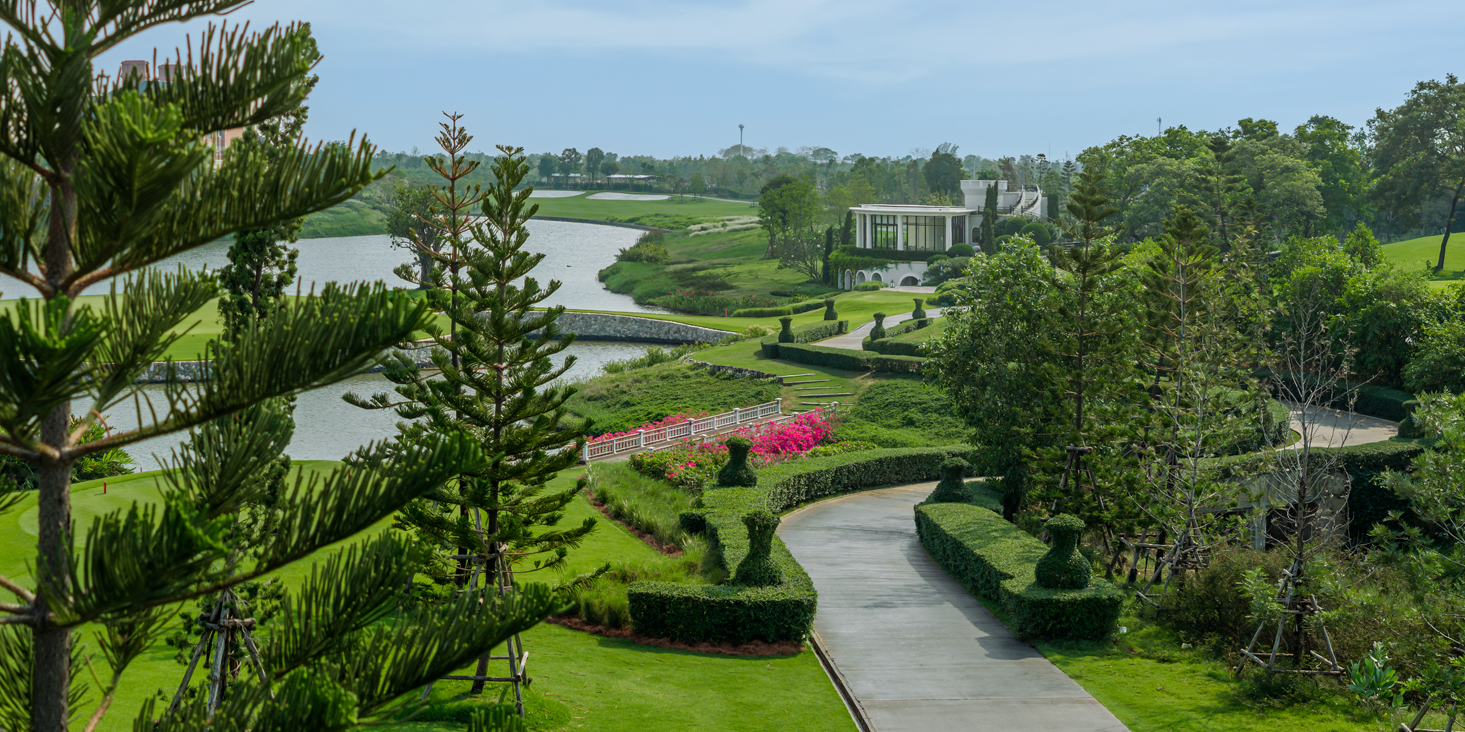
Wellness-oriented developments tend to share several design principles, regardless of location or price point.
- Biophilic and green design. Natural light, greenery, and access to open space are treated as structural requirements rather than landscaping afterthoughts.
- Air and water quality infrastructure. Filtration systems, ventilation design, and water treatment are built into the property rather than left to individual residents to manage.
- Movement-friendly infrastructure. Walkable layouts, dedicated running and cycling routes, and accessible fitness facilities encourage physical activity as a natural part of daily life rather than a separate errand.
- Circadian-conscious design. Lighting, window placement, and material choices increasingly account for how a space affects sleep and natural rhythms alongside how it looks.
- Social connection and community spaces. Shared gardens, communal dining areas, and gathering spaces are included deliberately, reflecting growing recognition that social wellbeing is as material to health outcomes as physical infrastructure.
- Preventive and longevity-oriented services. At the higher end of the category, developments increasingly offer or plan for on-site health screening, recovery services, or longevity-focused programming, extending the built environment's role beyond passive design into active health support.
Why Wellness Real Estate Is Growing in Thailand
Thailand's own wellness economy reached USD 42.7 billion in 2024, up from USD 38.8 billion the year before, making the country the world's 24th largest wellness market and the 9th largest in the Asia-Pacific region. Within that broader economy, wellness real estate specifically has been growing at 22.9% annually, one of Thailand's fastest-expanding wellness sectors alongside spa services.
Several forces are driving that growth. Thailand's population is ageing rapidly, increasing demand for housing that genuinely supports long-term health rather than simply accommodating it. The country's rising base of high-net-worth buyers is placing greater weight on health-supportive design when choosing where to live. Thailand's broader reputation in medical tourism and preventive healthcare has also created a natural audience of retirees, long-stay residents, and remote professionals actively seeking health-focused community living. The country's growing standing on the world wellness stage is reflected in its hosting of the 2026 Global Wellness Summit in Phuket this November, marking the summit's 20th anniversary and gathering more than 600 industry leaders, investors, and policymakers.
Why Wellness Matters in Real Estate
The appeal of wellness real estate goes beyond marketing. The built environment a person spends most of their time in has a measurable relationship to long-term health outcomes, from air quality and physical activity levels to sleep quality and social connection. As this evidence has strengthened, wellness-oriented design has shifted from an optional luxury amenity toward what GWI describes as essential infrastructure, features considered core to a development rather than additions layered on top of an otherwise conventional project. For buyers, that shift also carries a practical dimension: developments genuinely built around health-supportive design tend to hold their appeal, and often their value, over a longer horizon than those where wellness is treated as a marketing label rather than a design principle.
Reignwood Park and the Wellness Real Estate Movement

Reignwood Park is positioned as an integrated residential estate rather than a wellness-branded development, however several elements of its design align with the principles described above, and further health-focused features remain in active development. The estate's low-density approach to land, with ESTATE plots ranging from approximately 2,400 to 12,000 square metres, gives residents a scale of private outdoor space that is difficult to achieve in denser developments.
Movement infrastructure is built into daily life through Robinswood Golf Club and the CH3 Golf Academy, a fitness area spanning 800 square metres, and a 10-kilometre uninterrupted dedicated running and cycling lane, with an additional 400-metre track pending certification from the relevant athletics association. The Reignwood Park Sports Complex, now 80% complete, adds a further layer of shared recreational infrastructure to the estate.
Longevity and wellness-focused programming remains an area with more to come. Within the ESTATE collection, plans are in place to introduce more personalised wellness offerings for residents in the future, and the Sports Complex is planned to include a recovery, rehabilitation, and sports medicine clinic as part of its long-term scope. Reignwood Park will confirm further details on timing and specifics as those plans develop.
For more information on Reignwood Park's residential collection, contact the sales and marketing team at saleoffice@reignwoodth.com or +66 (0)2 978 8888.
Sources
[1] Global Wellness Institute, "Wellness Real Estate Market Reaches $876 Billion, Forecast to Hit $1.8 Trillion by 2030": https://globalwellnessinstitute.org/press-room/press-releases/wellness-real-estate-market-2/
[2] PR Newswire / Global Wellness Institute, "New Data on Thailand's Fast-Growing $42.7 Billion Wellness Market": https://www.prnewswire.com/news-releases/global-wellness-institute-releases-new-data-on-thailands-fast-growing-42-7-billion-wellness-market-302698003.html
[3] Bangkok Post, "Thailand steps up wellness tourism growth ambitions": https://www.bangkokpost.com/business/general/3292754/thailand-steps-up-wellness-tourism-growth-ambitions